


Guide to Paris Design Week

The Fair
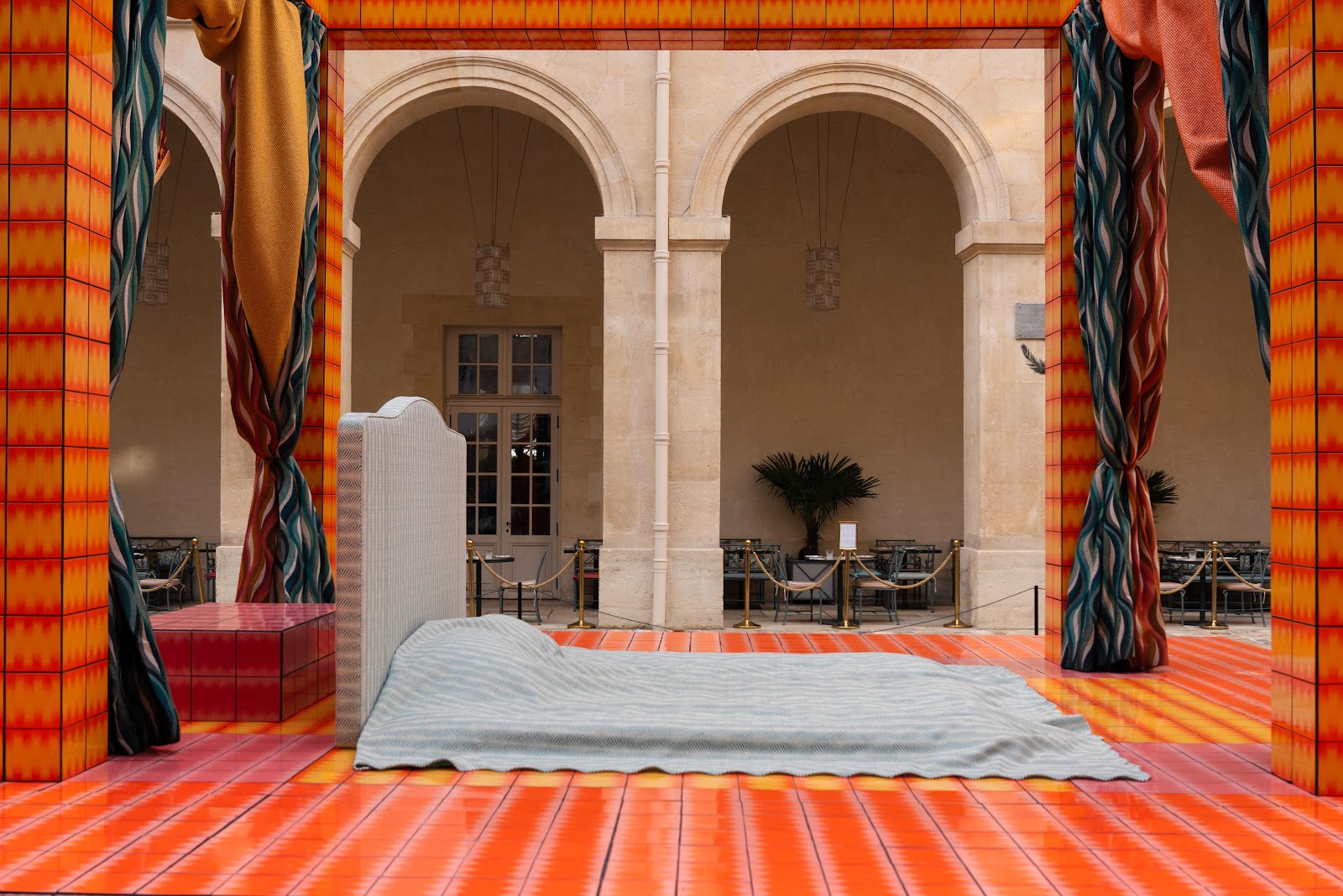
Paris Design Week
- Five hundred participants occupy more than three hundred venues across four Paris design districts in 2026.
- The programme moves between open studios, new collections, museum installations, workshops and evening receptions.
- Nine themed promenades provide a better starting point than a list of individual addresses, especially for first-time visitors.
- Factory concentrates emerging designers while the district routes reveal how established houses use the city itself.
Great for:
Open studios, District walks, Emerging talent.

Plan one district per half day and save every address in the official app before setting out.
Hotels
Cheval Blanc Paris
- A contemporary hotel inside the restored La Samaritaine complex, placed at the hinge between Right Bank and Left Bank routes.
- Peter Marino’s interiors make the building a design reference before the guest has entered the week’s first showroom.
- The river position reduces the cost of a programme that moves between the Marais, Palais Royal and Saint-Germain.
Great for:
Both-bank access, Design interiors, River reset.
Keep one late afternoon free for the hotel to reset before dinner as the Design Week schedule expands.
Beyond the Fair
Le FRENCH DESIGN galerie
- A platform for French furniture and interior design, pairing exhibitions with support for designers and manufacturers.
- The programme is useful for understanding the production networks behind objects seen elsewhere during the week.
- Its Bastille position fits the eastern design routes better than a detour from Saint-Germain.
Great for:
French makers, Industry networks, Bastille route.
Combine the gallery with nearby workshops and showrooms to understand the local design ecosystem.
Galerie kreo
- A gallery for limited-edition contemporary design with particular strength in furniture and lighting.
- Presentations are sparse enough to study proportion and finish after the visual excess of citywide openings.
- The Saint-Germain address anchors a Left Bank afternoon without requiring an event schedule.
Great for:
Limited editions, Left Bank, Quiet viewing.
Visit before the evening openings for a deliberate pause away from the reception circuit.
Restaurants
Parcelles
- A small Marais restaurant that treats French bourgeois cooking with the lightness and precision of a much newer address.
- The handwritten menu changes, but the recurring language is pâté, carefully sourced meat, sauces and a strong dessert finish.
Great for:
Marais lunch, French cooking, Small groups.


Order: Pâté en croûte, Sweetbreads, Chocolate tart.
Take the first lunch sitting and limit the table to four, as the narrow room loses its ease with larger groups.
Bofinger
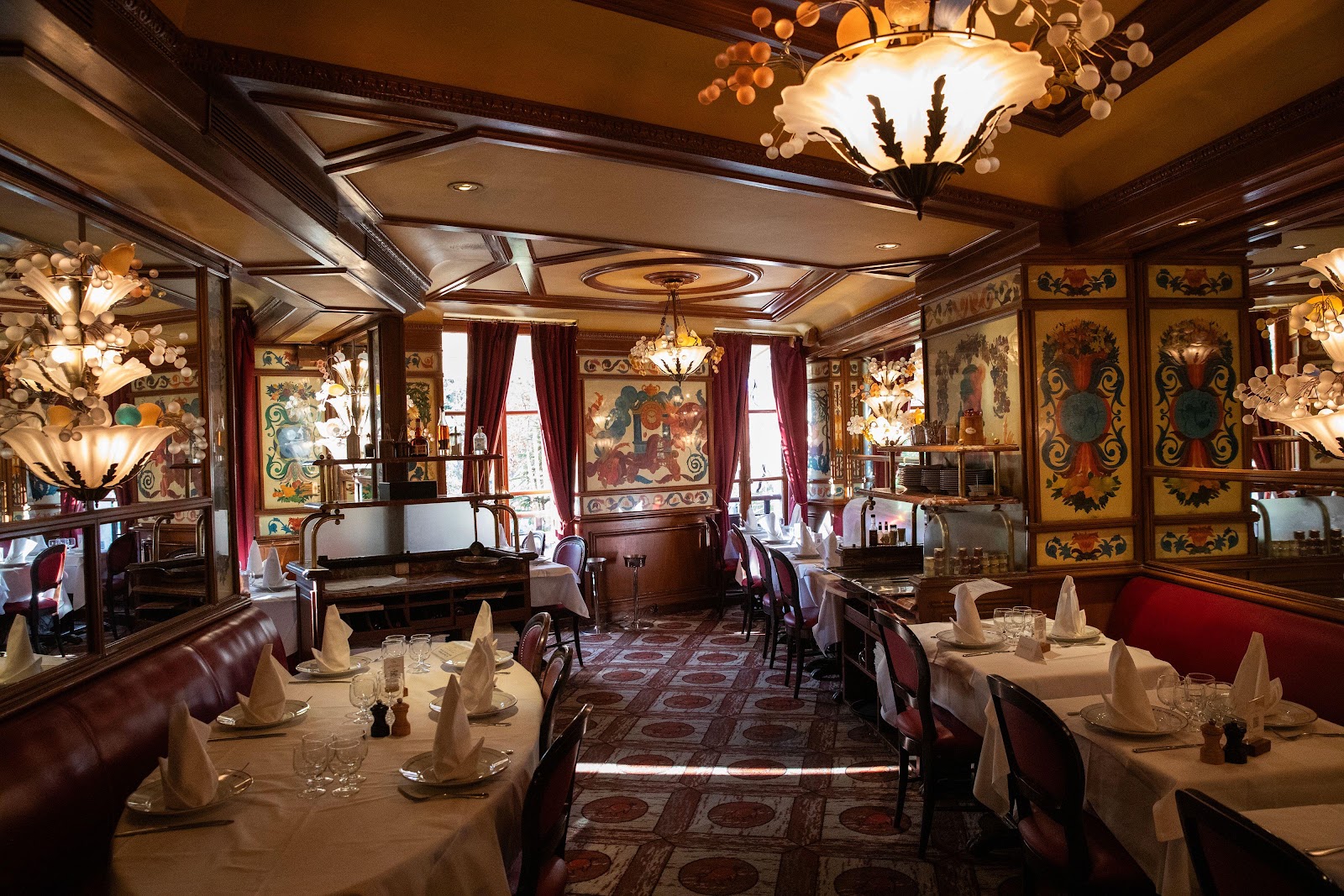
- One of Paris’s great brasseries, opened in 1864 and still defined by its stained-glass dome and Alsatian menu.
- The room is particularly useful during Design Week because it can absorb groups without flattening the experience.
Great for:
Historic brasserie, Bastille route, Group lunch.
Order: Seafood platter, Choucroute Bofinger, Profiteroles.
Request the main room beneath the dome, which is the architectural reason to choose Bofinger.
Clamato
- A no-reservations seafood bar from the Septime team, built around small plates and the day’s catch.
- The concise room and changing chalkboard make it one of the least formal dinners in this series.
Great for:
Seafood plates, No reservations, East Paris.
Order: Fish ceviche, Smoked fish, Maple syrup tart.
Join the queue before opening for the first seating rather than losing an evening to the later wait.
Walk-ins only
Cafés
Télescope Café
- A small speciality-coffee room on rue Villedo, hidden between Palais Royal and avenue de l’Opéra.
- The focus is firmly on coffee, with none of the retail theatre that surrounds many newer Paris openings.
Great for:
Coffee purists, Palais Royal, Quiet mornings.
Order: Filter coffee, Espresso, Seasonal cake.
Arrive before 10:00 and take the rear table if available, before gallery appointments fill the tiny room.
Walk-ins only